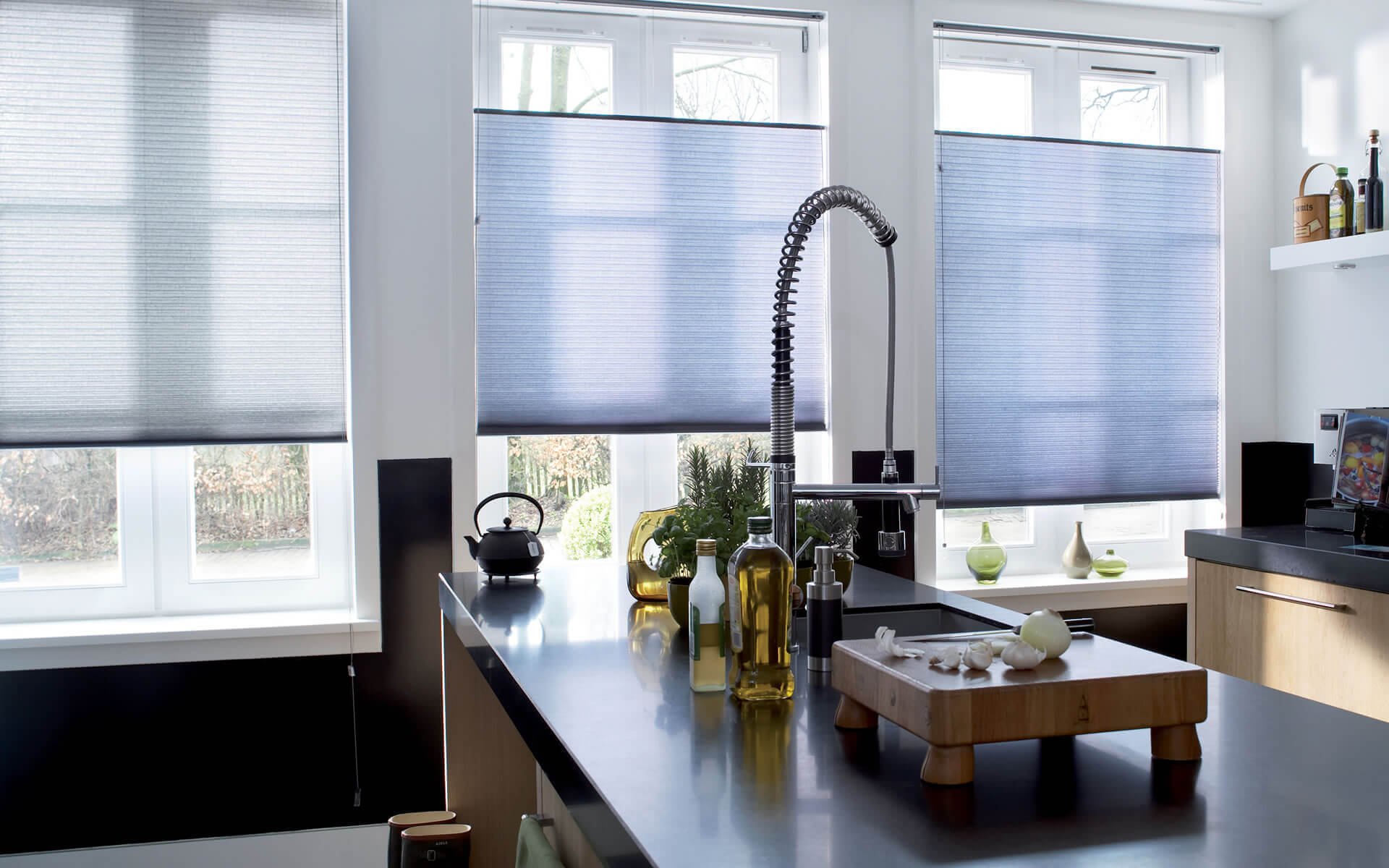
Cold weather quickly exposes the weakest part of any home. Heat escapes through glass, cold air enters silently, and your heating system works overtime just to keep rooms comfortable. However, the right window coverings can change this completely by locking warmth inside and reducing unnecessary heat loss during winter. That is why many homeowners look for the best blinds for winter insulation when preparing their homes for colder months.
In this guide from Country Blinds, you will learn how thermal blinds and honeycomb blinds perform in cold weather. Moreover, you will understand both options in detail and clearly see why one delivers better long-term insulation, energy efficiency, and winter comfort for modern Australian homes.
Heat always moves from warm areas to cold areas. So, in winter, indoor heat naturally moves outside through windows. In addition, glass does not hold heat well. Even small gaps around frames allow cold air to enter. As a result, rooms feel colder even when heaters are running.
Therefore, window insulation plays a major role in keeping your home warm and energy-efficient.
Thermal blinds use thick, insulated fabric designed to reduce heat loss. They create a protective layer over the window and block direct cold air. Moreover, they reduce brightness and improve privacy. So, they are often used in bedrooms and living rooms during winter.
Thermal blinds slow down heat transfer by using dense fabric layers. These layers reduce airflow between the window and the room.
However, they do not trap air inside a structured system. So, their insulation effect remains limited compared to advanced designs.
This window covering uses a smart cellular structure. This structure contains multiple air pockets shaped like small honeycomb cells. These air pockets trap air and slow down heat movement. So, they act like a built-in insulation system.
Air becomes trapped inside each cell. This trapped air reduces heat transfer between the window and the room. As a result, warm air stays inside longer, and cold air struggles to enter. Because of this advanced insulation design, many homeowners consider them among the most effective honeycomb blinds for cold weather.
Both thermal blinds and honeycomb blinds help improve comfort during winter. However, their insulation methods and overall performance differ, which affects how well they retain heat and reduce energy costs.
Insulation is important because it helps reduce heat loss through windows and keeps indoor spaces warmer during winter. Therefore, many homeowners choose energy-efficient window coverings to improve comfort and reduce heating costs during colder months.
Heat retention determines how long a room can stay warm after heating.
Effective window insulation can reduce heating costs by lowering energy consumption.
Consistent indoor temperatures help create a more comfortable living environment during winter.
Window coverings should balance performance with appearance and practicality.
This innovative window covering is more effective in cold weather for several clear reasons.
First, their cellular design traps air inside multiple layers. This design works like a natural insulation wall, which reduces heat loss significantly.
Second, less heat escapes from the room. As a result, your heating system uses less energy, which helps reduce long-term electricity costs.
Third, honeycomb blinds maintain consistent warmth throughout the day and night. So, your home feels more comfortable without constant heating adjustments.
Finally, Australian winters may be moderate, but temperature drops at night still affect comfort. Honeycomb blinds handle these changes more effectively than thermal blinds. As a result, many homeowners searching for insulated blinds Australia solutions choose honeycomb blinds for their superior insulation and energy efficiency.
Thermal blinds still help, but they have limitations in performance.
Unlike honeycomb blinds, thermal blinds do not trap air. So, they cannot stop heat movement as effectively.
Because more heat escapes, heaters must run longer. This increases energy consumption over time.
Thermal blinds provide basic protection only. They reduce drafts but do not offer advanced winter insulation.
Thermal blinds can still be useful in some situations.
So, they still serve a purpose, but not at a premium performance level.
Yes, it generally performs better in winter because their cellular design traps air inside the blind. As a result, they provide stronger insulation and help keep rooms warmer for longer than thermal blinds.
Yes, it can improve energy efficiency by reducing heat loss through windows. Therefore, your heating system may run less often, which can help lower energy costs during colder months.
Yes, thermal blinds can still help reduce drafts and heat loss. However, they rely on thick fabric for insulation, so they do not provide the same level of thermal performance as honeycomb blinds.
Absolutely. It helps keep homes warmer in winter and cooler in summer. Their air-trapping structure reduces heat transfer in both directions, making them a year-round energy-efficient window covering.
For most Australian homes, they are the better choice because they offer superior insulation, improved energy efficiency, and greater indoor comfort. However, thermal blinds can be a practical option for homeowners looking for a more budget-friendly solution.
Honeycomb blinds clearly outperform thermal blinds in cold weather. Their air-pocket design delivers stronger insulation, better energy savings, and more stable indoor comfort. Thermal blinds remain useful for basic needs, but they cannot match the efficiency and performance of honeycomb blinds.
Among today’s most effective winter window treatments, honeycomb blinds stand out for their ability to improve comfort and reduce heat loss. So, if your goal is long-term warmth, lower energy bills, and better winter comfort, they are the smarter and more effective choice for modern homes.
Ready to keep your home warmer this winter? Contact Country Blinds for expert advice and custom honeycomb blind solutions.
 Optimized by Seraphinite Accelerator

 FREE QUOTE
 Window Furnishings
 Room Visualiser
 Flooring
 Warranty
 Services
 Commercial
 About
About