Adelaide’s character homes are known for their distinctive features, including high ceilings, decorative cornices, ornate fireplaces and traditional timber windows. Choosing the right curtains can help preserve these details while making the interior feel fresh, comfortable and practical for modern living.
Modern curtain styles offer a way to combine traditional architecture with contemporary design. From flowing sheers to structured pleats and textured fabrics, the right choice depends on the window shape, natural light, privacy needs and existing décor. Understanding these factors can help you select curtains that suit your home’s character without overwhelming its original features.
Published by: Country Blinds & Flooring
Last updated: 24 October 2026
Many of Adelaide’s character homes feature tall windows, decorative timberwork, detailed plaster finishes and traditional flooring. These elements give each property its own personality and can influence which curtain styles work best.
Simple designs, complementary colours and carefully selected fabrics can enhance these features. Rather than covering every architectural detail, consider how the curtain style, length and hanging position can work with the room’s existing proportions.
The best curtain style balances the home’s traditional features with your preferred interior design. S-wave curtains create a smooth, contemporary finish, while pleated curtains provide a more structured appearance. Both can work well in character homes when the fabric and colour suit the space.
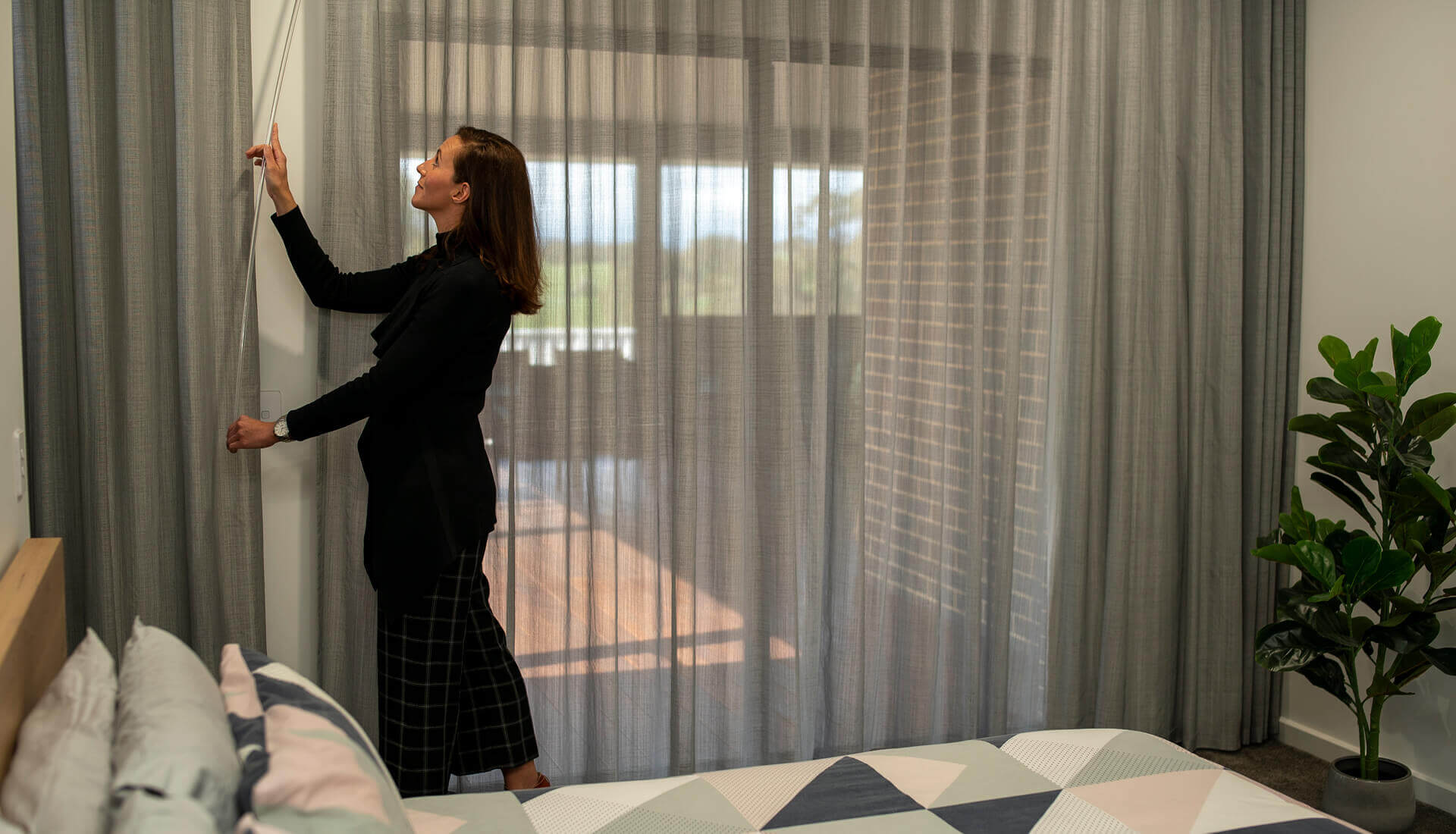
S-wave curtains hang in continuous, flowing folds, creating a neat and understated look. They can suit living rooms and bedrooms with tall windows, especially when you want a clean finish without adding heavy decorative details.
Choose a fabric with a suitable drape so the folds hang evenly. Full-length S-wave curtains can also draw attention to high ceilings and create a consistent look across larger windows.
Pleated curtains offer a more defined appearance that can complement decorative cornices, timber windows and traditional furnishings. Pinch pleats, for example, create a tailored finish that works well in formal living rooms and heritage-inspired interiors.
For a lighter, more contemporary result, consider a plain fabric in a warm neutral or muted colour. This allows the pleated design to complement the room without competing with its original features.
Layered curtains combine sheer and blockout fabrics to give you more control over light and privacy. Sheers allow daylight to filter through, while blockout curtains provide stronger light control when closed.
This arrangement can be useful in Adelaide homes where sunlight levels change throughout the day. A lightweight sheer paired with a heavier outer curtain also adds texture and depth without requiring bold patterns.
For the best result, choose fabrics that work together in colour, weight and texture. Suitable double tracks allow each layer to move independently, making it easier to adjust the room to suit different times of day.
Sheer curtains are a practical option for rooms where natural light is important. Their lightweight appearance softens incoming daylight and helps maintain an open, relaxed atmosphere. In rooms with tall windows, full-length sheers can also emphasise the height of the space.
However, sheers do not provide the same privacy as heavier curtains. The level of privacy depends on the fabric and lighting conditions, and visibility from outside can increase at night when indoor lights are switched on.
For bedrooms or windows facing neighbouring properties, consider pairing sheers with blockout curtains. This provides greater flexibility while keeping the softer look of the sheer layer during the day.
Linen and linen-look curtains introduce natural texture that can balance the more formal details of a character home. They can work particularly well with timber floors, decorative mouldings and understated furnishings.
Warm white, oatmeal and soft beige are versatile options for creating a relaxed, timeless interior. However, the appearance and performance of each fabric can vary. Consider its weight, drape, maintenance requirements and response to sunlight before making a decision.
Requesting fabric samples can help you compare colours and textures against your walls, flooring and furniture. Check them in both natural and artificial light, as colours can appear different throughout the day.
Curtain colours can blend with an existing colour scheme or introduce a subtle contrast. The right choice depends on the wall colour, flooring, upholstery and architectural details you want to highlight.
Consider these options when comparing fabrics:
Before settling on a colour, test fabric samples in the room where the curtains will be installed. This helps you see how the material works with existing finishes and changing light conditions.
Curtain length and pattern can influence how a room feels. Subtle botanical prints or soft geometric designs may introduce visual interest, while plain fabrics can help keep the focus on ornate fireplaces, decorative cornices and traditional timberwork.
Full-length curtains can emphasise high ceilings and create a sense of continuity around tall windows. For a balanced finish, measure from the planned track or rod position to the desired curtain length rather than relying on the window dimensions alone.
If the room already contains detailed wallpaper, patterned upholstery, or prominent decorative features, a simpler curtain fabric may help avoid a crowded appearance.
Bay windows can bring natural light into a room and create an attractive focal point. Their angled sections can also make curtain selection more complex, as the fabric and track need to follow the window’s shape. The right arrangement depends on the window’s dimensions, available space and intended use. A suitable track system can help curtains move smoothly around the bay, while accurate measurements help maintain an even appearance.
Consider how much room the curtains will need when open. In smaller sitting areas, bulky fabric or poorly positioned tracks can reduce usable space around the window. Where the shape is unusual, custom tracks and curtains may provide a more suitable fit.
The amount of sunlight entering a room can also influence your choice of curtain fabric and style. The Australian Government’s guide to effective window shading explains how suitable shading can help manage sunlight and improve comfort in Australian homes.
Curtain tracks and rods affect both the appearance and everyday operation of your window furnishings. Ceiling-mounted tracks can create a clean finish and emphasise height, while decorative rods may suit interiors where visible hardware is part of the design.
Consider the following before choosing your curtain hardware:
Matching the hardware to the fabric and window layout helps curtains operate smoothly and creates a more consistent finish throughout the home.
Different curtain fabrics serve different purposes. Sheers help maintain daylight, while blockout curtains provide greater privacy and light control in bedrooms and other spaces where darkness is important. Layering both types lets you adjust the room as your needs change. Fabric thickness, lining, and how well the curtains cover the window can also affect indoor comfort.
However, the result depends on the materials, window conditions and how the curtains are fitted. If reducing unwanted heat or improving insulation is a priority, consider these factors alongside the curtain’s appearance. For rooms exposed to strong afternoon sunlight, compare suitable fabrics and linings before making a final choice. This helps you select curtains that balance appearance, light control and everyday comfort.
Window orientation and sunlight exposure can influence how comfortable a room feels throughout the year. The Australian Government’s guide to how window shading affects indoor comfort explains how suitable shading can help manage unwanted sunlight in Australian homes.
Character homes may have arched openings, unusually tall windows, bay windows or decorative frames that are difficult to fit with ready-made curtains. Custom curtains allow the fabric dimensions, heading style, and track arrangement to be planned around the individual window.
This can be especially useful when you want a consistent look across several windows with different dimensions. Before ordering, check the window measurements, desired curtain length, track position and amount of fabric required for the selected heading.
Customisation also gives you more control over fabric, colour and functionality. Where original architectural details are a key feature, careful placement can help the curtains complement the window without unnecessarily hiding its character.
Choosing modern curtain styles for a character home is about balancing contemporary comfort with the property’s original charm. The right combination of fabric, colour, curtain length and hardware can complement traditional features while meeting your everyday needs.
Before making a decision, compare fabric samples, check measurements and consider how each room is used. These practical steps can help you choose curtains that suit your home’s architecture, natural light and preferred interior style.
Further reading:
S-Wave Curtains
Blockout Curtains
Country Blinds
S-wave curtains, pleated designs, sheers and linen-look fabrics can all suit character homes. Choose a style that complements the window proportions, original architectural details and overall interior design.
Yes. Sheer curtains can soften daylight and suit tall windows while maintaining an airy appearance. For greater privacy at night, consider layering them with blockout curtains.
Warm white, cream, beige, muted green and earthy shades can complement traditional interiors. Compare fabric samples with your walls, flooring and furniture before making a final choice.
Choose a track arrangement that follows the bay’s shape and allows the curtains to move smoothly. Accurate measurements and suitable hardware help create a neat finish without unnecessarily reducing the usable space.
Custom curtains can be useful for tall or unusually shaped windows because their length, fabric and heading can be selected to suit the opening. Accurate measurements help achieve a balanced appearance and a more suitable fit.


 FREE QUOTE
 Window Furnishings
 Room Visualiser
 Flooring
 Warranty
 Services
 Commercial
 About