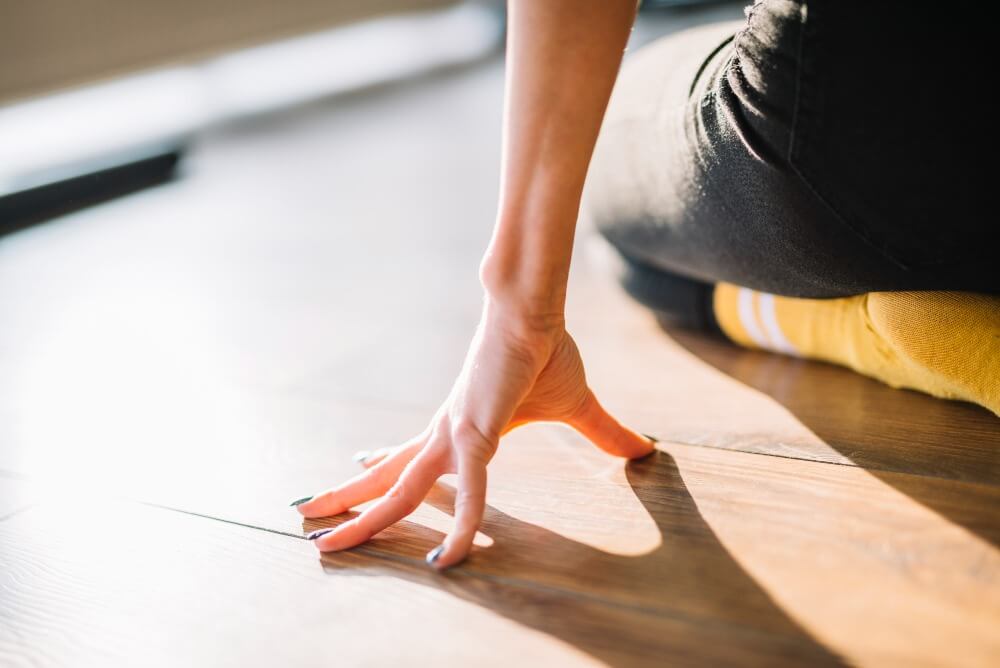
Flooring is a favorite for many homeowners due to its durability, modern look, and easy maintenance. However, even the strongest floors can develop scratches, scuff marks, or worn areas over time. Daily life, pets, and moving furniture can all leave their mark. The good news is that with simple DIY repair techniques and proper floor care, you can restore your floors and keep them looking great for years.
This guide from Country Blinds covers hybrid flooring repair, cleaning, polishing, and protection tips in easy-to-follow steps.
Scratches and wear are normal over time, but understanding the causes can help you prevent them. Some common reasons include heavy foot traffic, pets, moving furniture without protection, and dirt or grit being walked across the floor. Harsh cleaning tools or chemicals can also damage the protective surface, and even with regular use, high-traffic areas naturally show signs of wear sooner.
Flooring is durable and stylish, but even the best floors can get scratched, scuffed, or worn over time. By identifying the type of damage and following the right repair steps, you can restore your floors quickly and keep them looking like new. Below, we break it down problem by problem with practical solutions.
These are surface-level scratches caused by grit, minor dragging, or everyday foot traffic. They usually don’t penetrate the protective layer.
How to Clean:
Moderate scratches are slightly deeper and visible on the top layer. They may catch dirt and start to look worse over time.
How to Clean:
Deep scratches penetrate below the protective layer and may expose the core material of the plank. These scratches can worsen if ignored.
How to Clean:
Scuff marks are surface marks caused by shoes, furniture, or moving objects. While they don’t damage the floor structure, they make it look worn.
How to Clean:
High-traffic areas, such as hallways or living rooms, may show worn patches where the protective layer is dulled or extensively scratched.
How to Clean:
Even after repairs, floors can get damaged again if preventive measures are not taken.
How to Clean/Protect:
Not all scratches are the same, so identifying the type helps you choose the right repair method.
Light scratches only affect the surface and are often caused by minor dragging or grit.
Moderate scratches are slightly deeper, visible on the top layer, and may need a wax stick, repair pen, or light polish.
Deep scratches extend below the protective layer and often require a floor repair kit or even plank replacement. Ignoring deep scratches can lead to dirt embedding and further damage.
Before repairing any scratches, it’s essential to clean the floor thoroughly. Start by sweeping or vacuuming to remove dust and loose debris. Use a damp cloth for surface cleaning, taking care not to over-wet the floor. Mild cleaning products are recommended to avoid damaging the protective layer. A clean surface ensures that any repair materials adhere properly and last longer.
Preventing scratches is much easier than repairing them. Regular maintenance keeps your floors looking new and extends their life.
Sometimes, scratches and wear go beyond what DIY methods can fix. It’s a good idea to call a professional if you notice multiple deep scratches in one area, large worn patches that polishing or DIY repair can’t restore, or structural damage or warping caused by moisture or heavy impact.
A flooring expert can replace damaged planks or restore the finish, making your hybrid flooring look like new again.
Hybrid flooring is strong, stylish, and low-maintenance, but scratches and scuff marks are part of everyday use. With proper floor care, cleaning, DIY repairs, and polishing, your floors can stay beautiful for years. Prevention and regular maintenance are key. Felt pads, doormats, careful cleaning, and timely repairs will keep your hybrid flooring looking like new and protect your investment.
Protect and restore your floors today—contact Country Blinds for expert care of hybrid flooring!
Use a repair pen, colored wax stick, or floor repair kit for light scratches; replace the plank for serious damage.
Yes. Try a softer eraser, a magic eraser, or a baking soda and water paste.
Use felt pads under furniture and doormats, have a no-shoes indoors policy, and avoid dragging heavy items.
Check local flooring specialists or search “hybrid flooring repair near me” for certified experts.
Usually not; most warranties cover manufacturing defects, not wear and tear.
 Optimized by Seraphinite Accelerator

 FREE QUOTE
 Window Furnishings
 Room Visualiser
 Flooring
 Warranty
 Services
 Commercial
 About
About