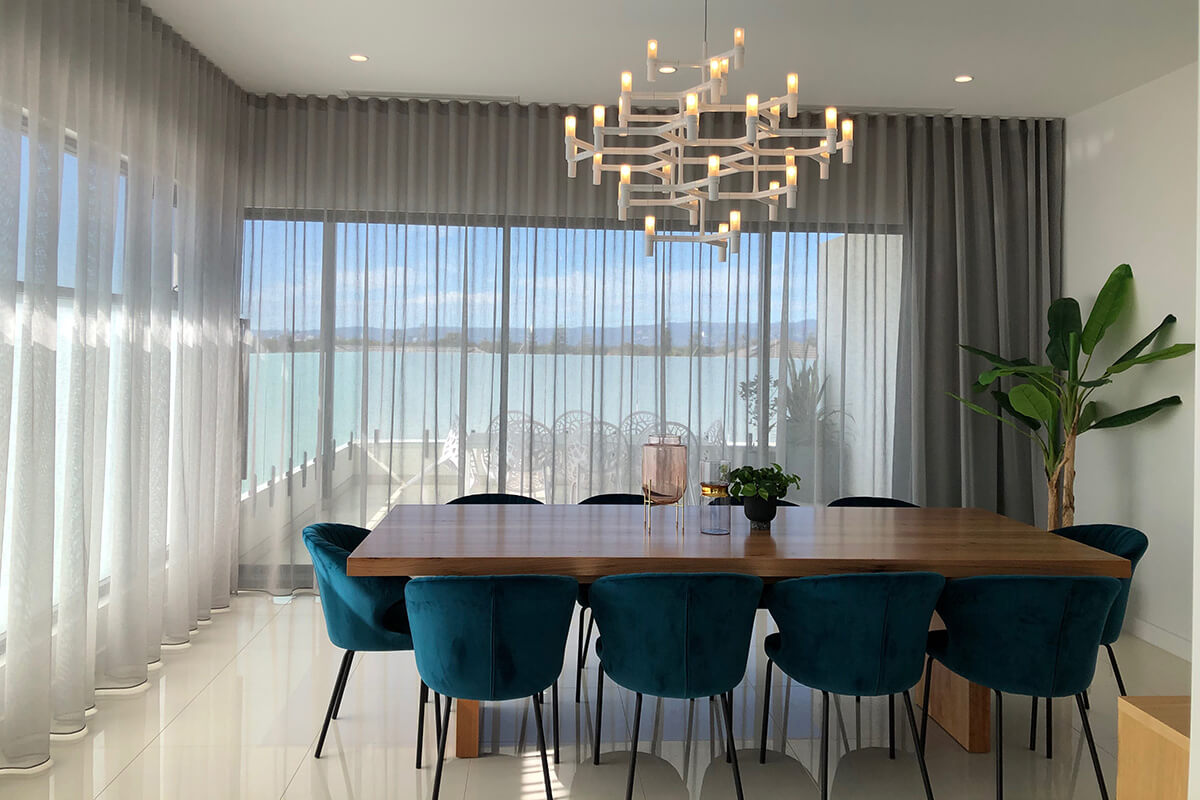
Yes, Blackout curtains can improve winter energy efficiency by adding a thick fabric barrier over windows that slows down heat loss, reduces cold drafts, and helps keep indoor spaces warmer for longer periods. As a result, rooms retain more heat, and heating systems do not need to work as hard, which can slightly reduce energy use during colder months.
In this guide from Country Blinds, you will understand how blackout curtains affect heat retention, how they compare with other energy efficient window coverings, and whether they actually provide meaningful savings on energy use in winter.
Windows are one of the main reasons homes lose heat in winter. Heat naturally moves from warm indoor air to the colder outside environment through glass. In addition, small gaps around window frames allow cold air to enter.
As a result, rooms lose warmth quickly, even when heating is on. Therefore, controlling heat transfer through windows is important for better winter energy efficiency.
Blackout curtains are thick, tightly woven fabric curtains designed to block light completely. However, their dense structure also helps reduce airflow near windows.
Moreover, they create a fabric layer between the room and the window, which slows down heat movement. As a result, they provide a basic level of insulation during winter.
Blackout curtains support winter energy efficiency through simple but effective features. Each part plays a role in slowing heat loss, reducing cold drafts, and improving overall indoor comfort during colder months.
Blackout curtains use dense, heavy fabric that works as a protective shield over windows. This fabric is tightly woven, which makes it harder for heat to pass through compared to light or thin curtains.
How it works: The thick material slows down heat transfer between the warm indoor air and the cold window surface. Instead of heat escaping quickly through the glass, the fabric creates resistance that reduces this movement.
Result: Because heat loss slows down, indoor spaces stay warmer for longer periods. As a result, rooms feel more comfortable and heating systems do not need to work as intensely to maintain temperature.
When blackout curtains are installed properly, they do not sit directly on the glass. Instead, they create a small air pocket between the curtain and the window surface.
How it works: This trapped air zone acts like a buffer layer. Air is a natural insulator, so it slows down the movement of heat from the warm room to the cold window.
Result: This simple air barrier helps retain indoor warmth for a longer time. Therefore, the room temperature stays more stable, especially during cold nights when heat loss is usually higher.
Cold drafts often enter through small gaps around windows and frames. These drafts make rooms feel colder even when heating is running.
How it works: Blackout curtains cover the window area and reduce direct airflow from gaps and edges. The heavy fabric blocks and slows down moving cold air near the window zone.
Result: As a result, rooms feel less drafty and more balanced in temperature. This improves overall comfort and reduces the feeling of sudden cold spots inside the room.
Blackout curtains do not produce heat, but they help preserve the heat already inside the room. This is important for improving winter energy efficiency.
How it works: The fabric layer reduces the speed at which indoor heat escapes through the window surface. It acts as a retention layer rather than a heat source.
Result: Because heat stays inside the room for longer, heating systems do not need to switch on as frequently. This helps reduce energy consumption and supports more efficient heating use during winter.
Blackout curtains do not produce heat. Instead, they help retain the heat already inside the room.
This means:
As a result, energy usage becomes slightly more efficient during winter.
For the best winter insulation, proper installation and daily use are just as important as the curtains themselves.
Yes, blackout curtains help improve winter energy efficiency by slowing down heat loss through windows and reducing cold air movement inside rooms.
They can slightly reduce heating usage by helping rooms stay warmer for longer, but savings depend on overall home insulation.
They provide basic insulation, but for very cold conditions, they are more effective when combined with other window solutions.
Their main benefit is heat retention, as they help keep indoor warmth inside the room for longer periods.
Yes, because their dense fabric and light-blocking structure help reduce heat loss more effectively than standard curtains.
Blackout curtains can help improve winter energy efficiency by reducing heat loss, limiting cold draughts, and supporting better heat retention throughout the home. While they may not provide the same insulation level as some advanced window coverings, they still offer a practical and cost-effective way to improve indoor comfort during colder months. Therefore, homeowners looking for a simple solution to reduce winter heat loss can benefit from properly installed blackout curtains.
Stay warmer this winter with custom blackout curtains from Country Blinds.
 Optimized by Seraphinite Accelerator

 FREE QUOTE
 Window Furnishings
 Room Visualiser
 Flooring
 Warranty
 Services
 Commercial
 About
About