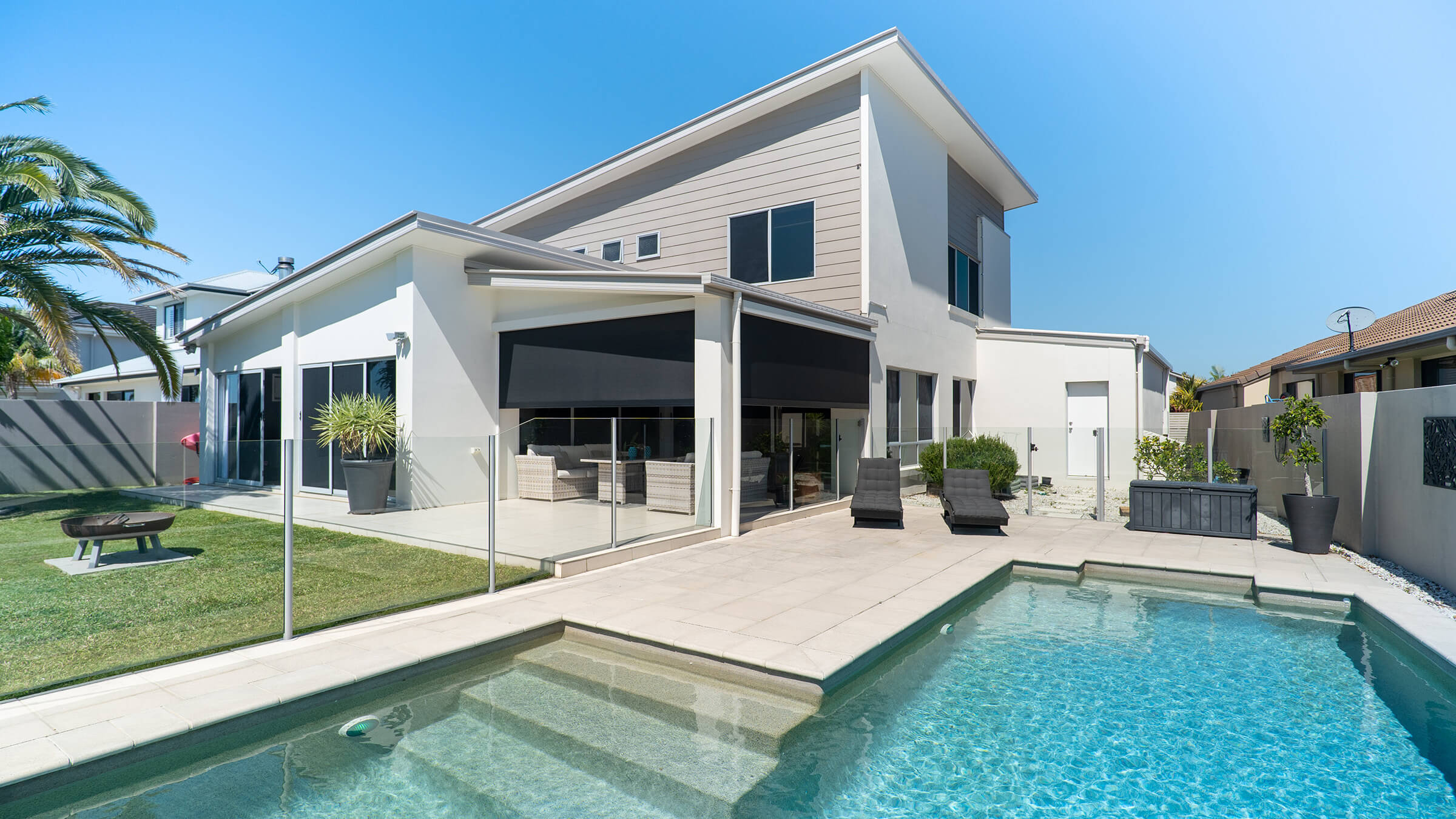
Outdoor blinds can transform an Adelaide alfresco area into a more comfortable and inviting place to dine, relax and entertain. The right combination of blind styles, colours and placement can help manage strong sunlight, improve privacy and provide shelter while preserving the open feel of your outdoor space.
When choosing outdoor blinds in Adelaide, think beyond simply covering an opening. Consider how the blinds will work with your patio layout, outdoor furniture, garden views and the changing weather. A few thoughtful design choices can help you create an alfresco area that looks cohesive and works well for everyday living.
Published by: Country Blinds & Flooring
Last updated: 17 October 2026
Outdoor roller blinds offer a clean, understated look that suits many alfresco designs. They can be raised to open up the space or lowered when you need shade and screening.
To make them work well with your patio, consider where you need coverage most rather than installing blinds across every opening.
Ways to style them:
Choose a colour that complements your exterior finishes so the blinds feel like part of the overall design.
If your alfresco area overlooks a garden or landscaped backyard, mesh blinds can help filter sunlight while maintaining some visibility. The level of shade, airflow, and privacy depends on the fabric’s openness.
Before deciding, request fabric samples and view them from both inside and outside your alfresco area. This helps you assess how the material looks against the garden and how much visibility it provides.
Clear PVC outdoor blinds can help shield an alfresco dining area from wind and light rain while allowing you to maintain views of the garden. They are worth considering if you want to use your outdoor dining space in cooler weather. However, the level of protection depends on the blind system, installation and weather conditions.
Before choosing a product, compare outdoor blind fabric and rain protection options to understand how different materials perform. This can help you select blinds that suit your alfresco area’s exposure and intended use.
Keep the dining area practical. Position tables and chairs so they do not obstruct the blind’s operation. Leave enough room to raise and lower the blinds without moving furniture every time.
Ventilation plan. Clear PVC can restrict airflow when lowered, so consider how fresh air will enter the space. Follow the manufacturer’s guidance on ventilation and operating conditions.
Keep the look simple. Pair clear blinds with neutral outdoor furniture and uncluttered finishes to maintain a light, open appearance.
Remember that clear PVC blinds do not automatically make an alfresco area fully waterproof or suitable for severe weather.
Adelaide’s afternoon sun can make an alfresco area uncomfortable, especially during warmer months. Consider which direction the sun enters your patio and position your blinds to reduce direct sunlight and glare during the hottest parts of the day. Choosing the right placement can help you enjoy the space without blocking natural light completely.
For more guidance on effective shading for Australian homes, YourHome explains how shading can help manage sunlight and improve indoor comfort. These principles can also help you make more informed decisions when planning shade for your outdoor living area.
A practical approach:
This approach can help you manage glare without unnecessarily blocking natural light from other parts of the alfresco area.
Outdoor blinds can help screen your alfresco area from neighbouring windows, pathways and nearby properties. However, covering every side may make the space feel more enclosed than necessary.
Dining areas: Consider screening the side that is most visible from neighbouring properties.
Outdoor lounges: Choose a fabric that provides the level of privacy you want without sacrificing too much of the garden view.
Garden-facing openings: Keep these sections open or choose a more open-weave mesh if visibility is a priority.
Also consider privacy after dark. A fabric that provides screening during daylight may offer less privacy when the alfresco area is illuminated and the surrounding area is darker.
Outdoor blinds are a visible part of your home’s exterior, so their colour should work with the surrounding finishes. A coordinated palette can make the alfresco area feel more considered without requiring a complete renovation.
Before choosing a final colour, compare fabric samples with your decking, paving, roof and furniture. Outdoor lighting can change how colours appear, so check samples in both sunlight and shade.
In a compact patio, the placement and appearance of outdoor blinds can influence how open the space feels. Covering every side with heavy-looking materials may make the area feel smaller.
Try these design ideas:
The aim is to create a comfortable outdoor setting while keeping the available space easy to move around in.
Larger alfresco areas often serve several purposes, from outdoor dining to relaxing with family. Outdoor blinds can help make these zones more functional when their placement reflects how each section is used.
Prioritise shade where the sun falls on the table during the times you usually eat outdoors. Make sure blinds can be operated without obstructing chairs or walkways.
Consider additional privacy or wind screening where people sit and relax. A suitable mesh fabric may help preserve views while providing some shade.
Keep blinds and their operating components clear of cooking equipment and follow the manufacturer’s safety instructions. Plan the layout so the cooking area remains properly ventilated and accessible.
An attractive alfresco design should also be practical to look after. Outdoor blinds can collect dust, pollen and other debris, especially in exposed areas.
When comparing options, consider:
Regular maintenance can help preserve the blinds’ appearance and support reliable operation over time.
Even a well-chosen blind can look out of place or operate poorly if it does not fit the opening correctly. Measurements, mounting points, and the structure of your patio all affect the final result.
Opening dimensions: Measure the width and height of each section and account for posts, beams and other obstructions.
Mounting support: Check whether the structure has suitable fixing points for the selected blind system.
Operating space: Make sure furniture, lighting and other fixtures will not interfere with the blinds.
Weather exposure: Discuss wind exposure and other site conditions with the installer, and check the product’s operating limits.
A professional site assessment can help identify installation requirements before you commit to a particular system.
The best outdoor blind ideas combine practical performance with a style that suits your home. Adjustable roller blinds can provide flexible screening, mesh fabrics can preserve garden views, and clear PVC blinds can offer additional shelter in suitable conditions. Colour coordination, selective screening and thoughtful placement can help make the entire alfresco area feel more inviting.
Before choosing outdoor blinds in Adelaide, consider your patio’s sun exposure, layout, privacy requirements and ventilation needs. Comparing fabric samples and discussing installation requirements can help you select a design that works with your home and the way you use your outdoor space.
Further reading:
Outdoor Shade Blinds
Outdoor Roller Blinds
Country Blinds
The best option depends on your space and priorities. Mesh blinds can filter sunlight while retaining some visibility, roller blinds offer adjustable screening, and clear PVC blinds can provide additional shelter in suitable conditions.
Coordinate the blind colour with your exterior walls, decking, paving and outdoor furniture. Neutral tones can create a cohesive look, while selective screening can help preserve garden views and the open feel of your patio.
Not necessarily. Installing blinds on selected sides can help manage sunlight, privacy or wind exposure while leaving other openings clear for views and airflow.
They can be suitable for filtering sunlight while maintaining some visibility and airflow. The level of shade depends on the fabric’s openness and specifications, so compare options based on your patio’s sun exposure.
Consider the patio’s measurements, mounting points, sunlight direction, privacy, ventilation, fabric care, and total installation cost. Check the manufacturer’s guidance and arrange a site assessment if needed.
 Optimized by Seraphinite Accelerator


 FREE QUOTE
 Window Furnishings
 Room Visualiser
 Flooring
 Warranty
 Services
 Commercial
 About