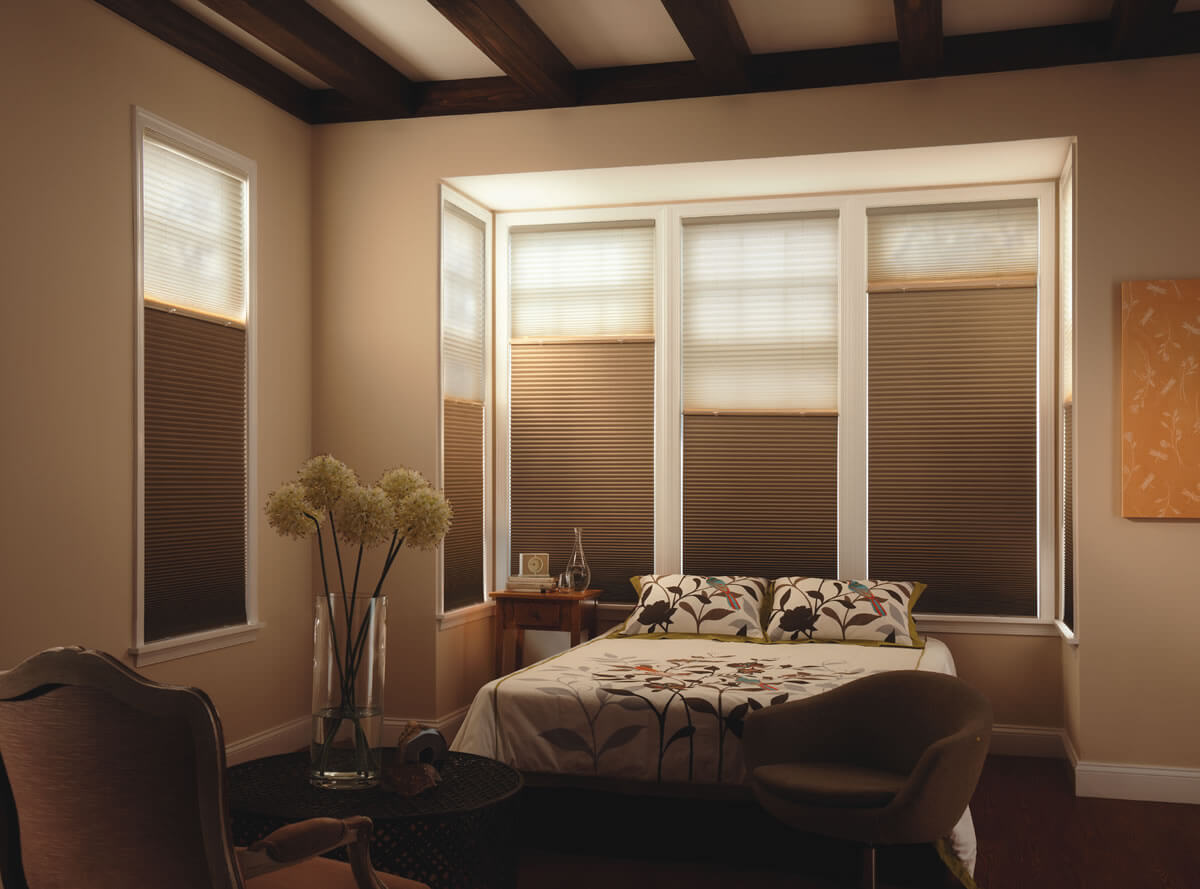
Honeycomb or cellular blinds save energy during winter by trapping air inside their unique cell structure, which acts as an insulating layer between the cold window and the warm indoor air. This slows down heat loss, keeps rooms warmer for longer, and reduces the need for constant heating, ultimately helping lower energy usage in Australian homes.
In this guide from Country Blinds, you will understand how these blinds work, what features make them energy efficient, and why they are one of the best choices for winter window insulation in Australian homes.
Windows are one of the main reasons homes lose heat in winter. Glass does not hold warmth well, so heat naturally moves from inside the room to the colder outside environment. In addition, small gaps around windows allow cold air to enter.
As a result, rooms feel colder even when heating systems are running continuously. Therefore, improving window insulation is essential for better energy efficiency.
Honeycomb blinds, also known as cellular blinds, are window coverings designed with a unique pocket-like structure. When viewed from the side, the fabric forms rows of connected cells that resemble a honeycomb.
Unlike standard blinds, these cells are specifically designed to trap air. This trapped air creates an insulating layer between the window and the room. As a result, honeycomb blinds provide more than privacy and light control. They also help improve thermal performance throughout the home.
The effectiveness of honeycomb blinds comes from their cellular design. Each cell captures a pocket of air, creating a barrier that slows down heat movement.
During winter, warm air inside the home naturally tries to move toward colder surfaces. However, the trapped air inside the cells acts as insulation and reduces this heat transfer.
As a result:
This simple but effective design is what makes honeycomb blinds highly energy efficient.
Honeycomb blinds are designed to do more than just cover your windows. In fact, every part of their structure works together to reduce heat loss, improve insulation, and lower energy use during winter. Instead of relying on thick material alone, they use smart engineering to control air movement and keep your home warmer for longer.
Below is a clear, feature-by-feature guide that explains how each part of honeycomb blinds helps you save heat in Australian homes.
Honeycomb blinds are built with a unique cellular (honeycomb-shaped) structure that forms small air pockets throughout the blind.
How it works:
These pockets trap air inside each cell, creating a barrier between the cold window and the warm room air. This trapped air slows down heat transfer through the glass.
Benefit: As a result, less heat escapes through the window, and your room stays warmer for longer periods, especially during cold Australian nights.
Inside the cellular structure, layers of air remain trapped and stable.
How it works: Air is a natural insulator, so when it is trapped and not allowed to circulate freely, it significantly slows down heat movement.
Benefit: This means your heating system does not need to work as often, helping you reduce energy use and lower heating costs during winter.
Honeycomb blinds are made using lightweight yet durable polyester-based fabric that holds the cellular shape.
How it works: The fabric supports the structure of the cells and ensures the air pockets stay sealed and effective over time.
Benefit: This provides long-term durability while maintaining consistent insulation performance, even with daily use.
Some honeycomb blinds come in a double-cell structure, meaning two layers of air pockets instead of one.
How it works: The extra layer increases the amount of trapped air, creating a stronger insulation barrier against cold air coming through windows.
Benefit: This results in better heat retention, making rooms feel noticeably warmer during colder winter nights in Australian homes.
Honeycomb blinds are designed to fit closely against the window frame.
How it works: This tight fit reduces gaps around the edges where cold air can enter and warm air can escape.
Benefit: It helps prevent cold draughts, improves indoor temperature stability, and increases overall comfort during winter.
These blinds offer both light control and thermal insulation at the same time.
How it works: They allow you to control how much sunlight enters while still maintaining the insulating air barrier inside the cells.
Benefit: During daytime, you can use natural sunlight for warmth, reducing your need for artificial heating and improving energy efficiency.
Not all honeycomb blinds are the same. Some feature a single layer of cells, while others include two layers.
Single-cell honeycomb blinds are designed with one row of air pockets inside their structure. This single layer still provides effective insulation by trapping air and slowing down heat loss through windows. As a result, they help improve overall energy efficiency and maintain a comfortable indoor temperature during winter.
These blinds work well in homes that experience moderate winter conditions where basic insulation is sufficient to reduce heat loss.
Double-cell honeycomb blinds feature two layers of air pockets within their cellular design. This extra layer creates stronger insulation by trapping more air and further reducing heat transfer between the window and the room. As a result, they offer higher energy efficiency and better heat retention, especially in colder weather conditions.
Therefore, double-cell designs are ideal for homeowners who want maximum winter comfort and improved thermal performance.
All features of honeycomb blinds work together as one complete energy-saving system during winter. Each element plays a specific role in reducing heat loss and improving indoor comfort in Australian homes.
Because of this smart combined design, honeycomb blinds are widely recognised as one of the most effective energy-efficient window coverings for winter. They help reduce heating usage, maintain stable indoor temperatures, and improve overall comfort without increasing energy bills.
Honeycomb blinds help maintain a more stable indoor environment by slowing down heat loss through windows. This means rooms stay more comfortable even when outside temperatures drop at night.
Yes, they help retain existing indoor warmth for longer periods. Because of this, rooms do not lose heat quickly, which reduces the need for continuous heating.
Their cellular structure creates multiple air compartments that act as barriers against temperature change. This design helps control heat flow between the window and the room more effectively.
No, they are useful year-round. While they help retain heat in winter, they also reduce heat entry in warmer months, supporting better overall indoor temperature control.
Homeowners prefer them because they provide a practical balance of comfort and efficiency. Their design naturally supports temperature regulation, which helps reduce reliance on heating and cooling systems.
Honeycomb blinds are a highly effective solution for reducing heat loss in Australian homes during winter. Their cellular structure, trapped air, and tight fit improve insulation and help keep indoor spaces warmer for longer, reducing the need for constant heating and improving energy efficiency. That is why many homeowners consider them one of the best insulated cellular shades for better winter performance. If you want better winter comfort with lower energy use, honeycomb blinds offer a practical, durable, and modern solution suitable for most Australian homes.
Experience warmer winters and smarter energy savings with custom honeycomb blinds from Country Blinds.
 Optimized by Seraphinite Accelerator

 FREE QUOTE
 Window Furnishings
 Room Visualiser
 Flooring
 Warranty
 Services
 Commercial
 About
About